
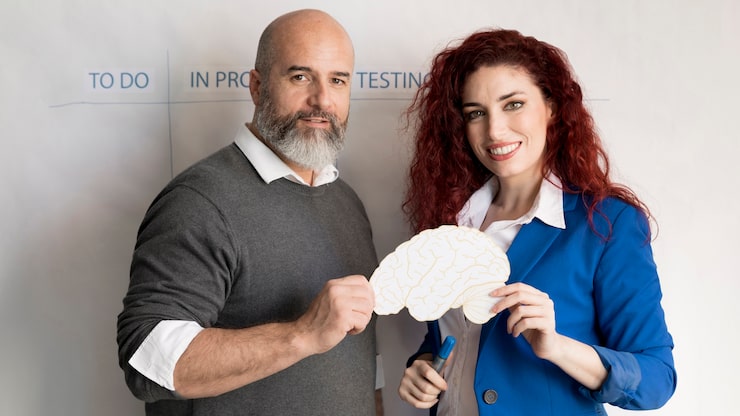
Intellectual health is now part of everyday wellness talks. People want sharper thinking. Overall, mental engagement feels essential.
Intellectual health supports learning and problem-solving. It helps people adapt. Because change is constant, mental skills matter.
Adults now seek mental stimulation. As a result, lifelong learning grows.
What Intellectual Health Means
Intellectual health involves curiosity. It includes learning new ideas. Also, it supports clear thinking.
Reading, writing, and discussion help the brain. These habits build confidence. Therefore, mental activity supports balance.
Creative hobbies also help. They challenge thinking patterns. As a result, problem-solving improves.
Building intellectual health Daily
Small steps make a difference. For example, reading daily expands knowledge. Also, puzzles sharpen focus.
Learning new skills boosts confidence. Many take short online courses. Therefore, learning fits busy schedules.
Discussion matters too. Sharing ideas builds understanding. As a result, social learning grows.
Role of Schools and Workplaces
Schools now promote thinking skills. They focus on creativity. Because of this, students learn adaptability.
Workplaces support training programs. Skill development improves performance. Meanwhile, engagement increases.
Some employers offer learning time. Employees explore interests. As a result, motivation rises.
Technology and Mental Engagement
Technology supports intellectual health when balanced. Educational platforms expand access. Also, digital tools support practice.
However, distraction remains a concern. Therefore, focused learning is encouraged.
Mental fitness apps also grow. Used wisely, they support thinking skills.
The Road Ahead
Intellectual health will stay important. Mental strength supports confidence. Most importantly, learning never ends.
Near the conclusion, experts highlight one point. Curiosity keeps minds active. Overall, investing in intellectual health supports lifelong growth.
