
Fitness is about more than just showing up at the gym or running a few miles. To truly elevate your fitness game, you need to train with purpose and strategy. Targeted training focuses on specific goals, whether that’s building strength, increasing endurance, or improving flexibility. By understanding your objectives and tailoring your workouts to achieve them, you can see faster, more significant results. Let’s explore how you can refine your fitness routine with smart strategies that bring out your best.
Define Your Fitness Goals
Before diving into any training program, it’s essential to identify your fitness goals. Are you looking to shed a few pounds, increase muscle definition, or improve your athletic performance? Your goals will determine the type of exercises, intensity, and duration of your workouts. For example, if your primary goal is weight loss, high-intensity interval training (HIIT) combined with strength training can help you burn calories efficiently. On the other hand, if you’re training for a marathon, focusing on endurance-building activities like long-distance running and interval sprints will be more effective. Being clear about your objectives ensures that every workout has a purpose, keeping you motivated and on track.
Incorporate Strength Training for Versatile Benefits
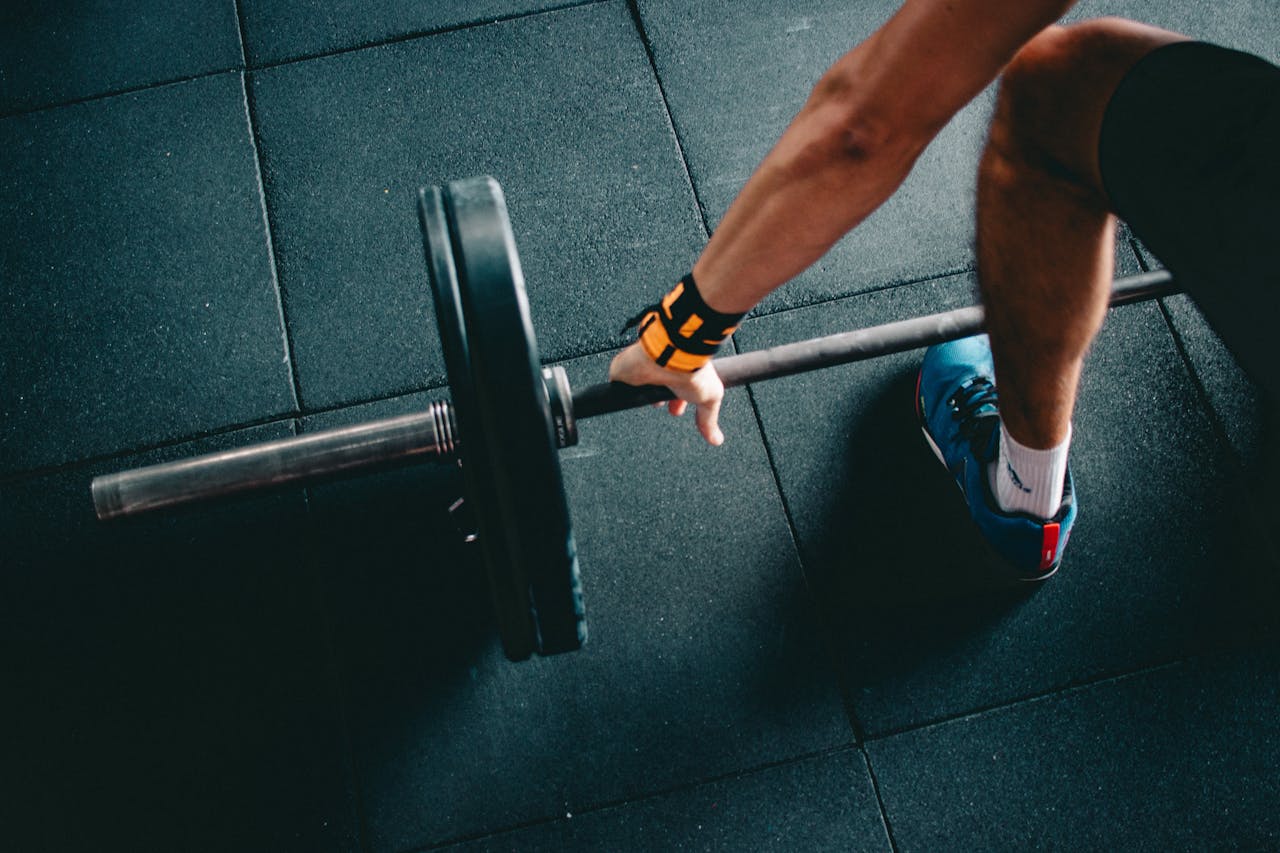
Strength training isn’t just for bodybuilders—it’s a crucial component of any well-rounded fitness routine. Lifting weights or performing bodyweight exercises like push-ups, squats, and lunges helps build muscle, improve bone density, and boost metabolism. Targeted strength training can also address imbalances in your body, preventing injuries and enhancing performance in other activities. For instance, if you’re a runner, strengthening your glutes and hamstrings can improve your stride and reduce the risk of knee injuries. Start with compound movements that work multiple muscle groups, such as deadlifts and bench presses, and gradually incorporate isolation exercises to target specific areas.
Use Progressive Overload to Break Plateaus
One of the most effective ways to elevate your fitness game is by applying the principle of progressive overload. This involves gradually increasing the demands on your muscles by lifting heavier weights, doing more repetitions, or adding resistance to your exercises. Progressive overload ensures that your body continues to adapt and grow stronger over time, preventing plateaus and maintaining steady progress. For example, if you’ve been doing bicep curls with 15-pound dumbbells for weeks, challenge yourself by moving up to 20 pounds or increasing your rep count. Consistently pushing your limits helps you achieve new fitness milestones and keeps your workouts exciting.
Focus on Functional Fitness
Functional fitness involves training your body for real-life activities, improving strength, balance, and coordination. Exercises like kettlebell swings, box jumps, and plank variations mimic movements you perform daily, such as lifting, bending, and twisting. Functional fitness is particularly beneficial for athletes and individuals recovering from injuries, as it enhances stability and reduces the risk of strain. Incorporating functional exercises into your routine not only elevates your athletic performance but also improves your overall quality of life. Plus, these exercises often engage multiple muscle groups, giving you a full-body workout in less time.
Rest and Recovery Are Non-Negotiable
As you push your body to new limits, don’t overlook the importance of rest and recovery. Overtraining can lead to fatigue, injuries, and diminished results, so giving your body time to repair is crucial. Schedule at least one or two rest days per week, and consider incorporating active recovery activities like stretching, yoga, or light walks to keep your muscles loose and promote blood flow. Additionally, make sleep a priority, as it plays a significant role in muscle repair and overall performance. A well-rested body is stronger, more resilient, and ready to take on new challenges.