

For decades, severe spine related pain often meant facing the prospect of major surgery, lengthy recovery, and uncertain outcomes. That landscape has shifted substantially. Today, minimally invasive spine techniques allow many patients to achieve meaningful relief without the extended downtime or risks associated with traditional open procedures.
This shift matters enormously for people who have spent years cycling through medications and physical therapy without finding lasting answers. Minimally invasive approaches offer a middle path, more targeted than oral medication alone, yet far less disruptive than open spinal surgery.
What Minimally Invasive Actually Means
The term covers a range of procedures performed through small incisions or needle access points rather than large surgical openings. These techniques typically allow for outpatient or same day recovery, reduced infection risk, and faster return to daily activities compared to traditional surgical alternatives.
At a comprehensive spine and pain center, this category includes neuromodulation, targeted drug delivery systems, and various interventional procedures designed to address pain at its source rather than masking symptoms broadly throughout the body.
Neuromodulation as a Minimally Invasive Pathway
Neuromodulation represents one of the most significant advances in this space. It uses targeted medical technology, including gentle electrical pulses or precisely delivered medications, to interrupt pain signals before they reach the brain. Crucially, these procedures are both reversible and non destructive, distinguishing them sharply from anatomy altering spinal surgery.
This category includes several distinct options, each suited to particular pain patterns:
- Spinal Cord Stimulation for diffuse neuropathic pain
- Dorsal Root Ganglion stimulation for highly localized pain
- Peripheral Nerve Stimulation for extremity and headache related pain
- Targeted Drug Delivery systems for cancer pain and spasticity
The Trial First Philosophy
One defining feature of minimally invasive neuromodulation is the mandatory trial period preceding any permanent decision. Before committing to a permanent implant, patients undergo a temporary trial, typically lasting five to seven days for spinal cord stimulation, during which an external device allows them to genuinely test the therapy during normal daily life.
This approach removes much of the guesswork traditionally associated with spine procedures. Patients and their physicians evaluate real world results together before any permanent commitment, ensuring the chosen therapy actually delivers meaningful relief for that individual’s specific pain pattern.
Who Benefits Most From This Approach
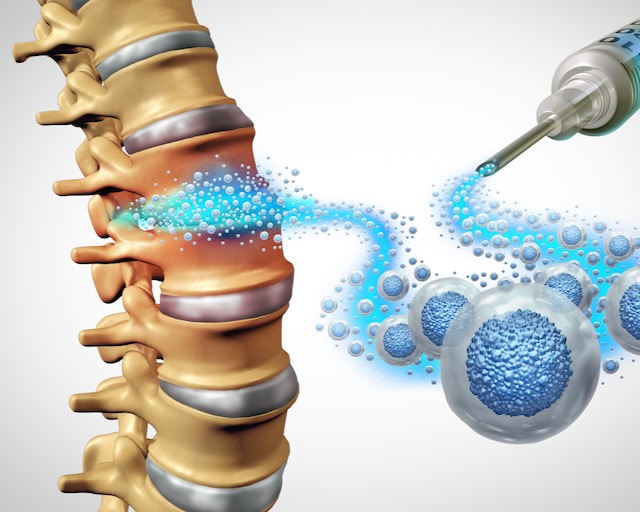
Minimally invasive spine treatment is particularly valuable for patients who have exhausted conservative options like physical therapy, medications, and basic injections without achieving lasting relief. It also serves an important role for those who have undergone prior spinal surgery yet continue experiencing pain, a condition known as Failed Back Surgery Syndrome.
Common conditions addressed through this approach include:
- Complex Regional Pain Syndrome affecting one limb
- Diabetic peripheral neuropathy causing nerve pain
- Persistent pain following previous spinal surgery
- Localized nerve pain resistant to conventional treatment
- Chronic pain requiring reduced reliance on oral medication
Precision Targeting Through Anatomical Stability
Some minimally invasive techniques offer exceptional anatomical stability because of where leads are placed. Dorsal Root Ganglion stimulation, for instance, positions leads near a cluster of sensory nerves that is naturally encased in bone, meaning the leads are far less prone to shifting compared to standard placements. This translates into consistent relief even when patients stand, sit, or change position throughout the day.
This kind of precision targeting represents exactly why minimally invasive options have become so attractive for treatment resistant pain. Rather than a broad, systemic approach, treatment is directed precisely at the structure responsible for transmitting pain signals.
Reducing Dependence on Oral Medication
A major advantage of minimally invasive spine procedures is their ability to reduce reliance on systemic medications. Targeted Drug Delivery systems, for example, deliver medication directly into the intrathecal space, requiring only a small fraction of the equivalent oral dose. This dramatically reduces side effects like drowsiness, digestive trouble, and cognitive fogginess that often accompany long term oral pain management.
What to Expect From Evaluation Through Recovery
A typical patient journey through minimally invasive spine care involves a thorough initial evaluation, discussion of prior treatments attempted, and education about which specific technique fits the individual’s pain pattern. Same day surgical placement is common for many procedures, with ongoing management handled by the same clinical team throughout the entire process.
This continuity matters considerably. When evaluation, trial, implantation, and long term management all happen under one roof, patients avoid the fragmentation that often occurs when bounced between unfamiliar surgeons and separate management providers.
Leadership in Minimally Invasive Spine Care
Dr. Hemant Kalia has practiced in Rochester, Monroe County, and throughout Upstate New York since 2007, earning FIPP certification from the World Institute of Pain, recognized internationally as the gold standard in interventional pain credentialing. His clinical research and contributions to national consensus guidelines continue shaping how minimally invasive techniques are applied across the field.
A More Hopeful Path Forward
Choosing between continued pain and major surgery used to feel like the only available options for many patients. Minimally invasive spine treatment changes that equation entirely, offering targeted, reversible solutions backed by structured trial periods and ongoing research. For anyone facing neck pain or back pain that has resisted conventional treatment, exploring these advanced options may reveal a path toward genuine, lasting relief that simply wasn’t available in years past.
