
Mucosal surfaces represent one of the most biologically dynamic tissue environments in the body. Constantly exposed to potentially damaging agents while maintaining critical barrier functions, mucosal epithelia rely on efficient and well-regulated repair mechanisms. Understanding these mechanisms at the molecular level is an important goal for researchers in gastrointestinal biology, mucosal immunology, and related fields.
BPC-157 peptide has become a significant research tool in the mucosal biology space, valued for its association with mucosal protection and epithelial repair pathway activities. Its use in appropriate in vitro and preclinical research settings provides researchers with a focused tool for investigating these mechanisms.
The Importance of Mucosal Protection in Research
Mucosal protection refers to the collection of mechanisms that prevent damage to mucosal epithelial surfaces and facilitate rapid repair when damage does occur. These mechanisms include mucus secretion, tight junction maintenance, epithelial cell migration and proliferation, and the coordination of repair-promoting signaling cascades.
Research into these mechanisms has implications across multiple disease areas, including inflammatory conditions affecting mucosal tissues and conditions characterized by impaired mucosal barrier function. BPC-157 peptide provides a research tool for investigating how specific peptide-mediated pathways contribute to mucosal protection and repair in controlled in vitro systems.
Epithelial Cell Research Models for BPC-157
The most appropriate cell models for mucosal protection research using BPC-157 are those that recapitulate the properties of mucosal epithelial cells. These models include:
- Established gastrointestinal epithelial cell lines with barrier-forming properties
- Primary mucosal epithelial cells from appropriate tissue sources
- 3D organoid models that better recapitulate mucosal tissue architecture
- Co-culture systems incorporating both epithelial cells and relevant immune cells
Research using these models with bpc-157 peptide allows investigation of mucosal protection mechanisms in contexts that are meaningfully representative of the relevant biology.
TB-500 Peptide and Mucosal Repair
While the BPC series is most directly associated with mucosal protection activities, the tb-500 peptide contributes to repair research through its effects on cell migration and cytoskeletal organization. During mucosal repair, the migration of epithelial cells to close damage sites is a critical early step, and Thymosin beta4-related compounds are known to influence this process.
Including TB-related compounds in mucosal repair research therefore adds an important dimension to the experimental picture, capturing the cytoskeletal dynamics of epithelial cell migration alongside the BPC-mediated signaling changes in mucosal protection pathways.
Combined Research With the BPC 157 TB 500 Blend
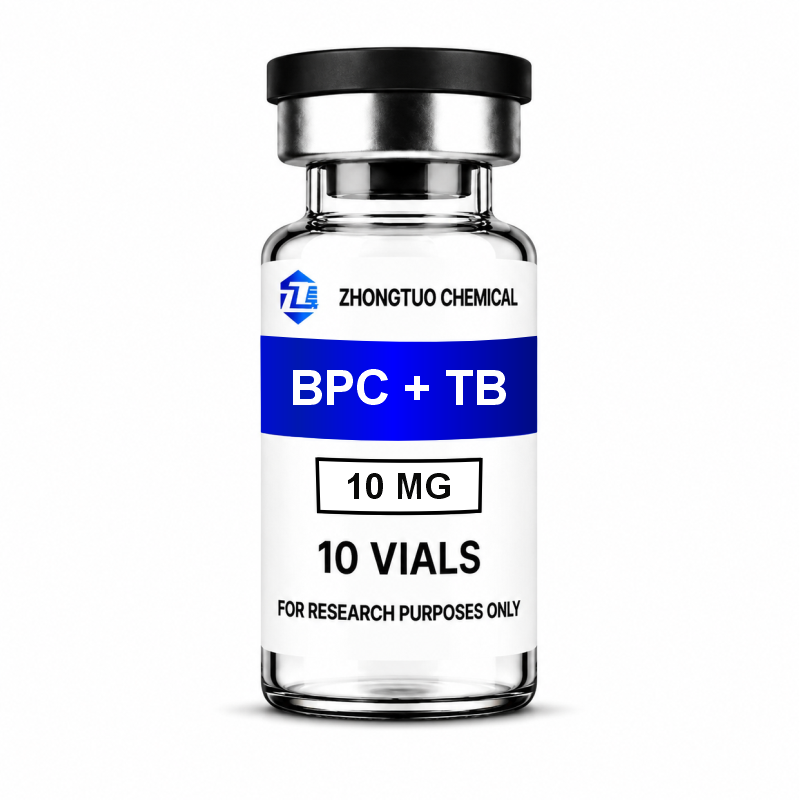
The bpc 157 tb 500 blend from Zlzpeptides enables simultaneous investigation of both BPC-mediated mucosal protection pathways and TB-mediated cell migration mechanisms in mucosal repair research. This comprehensive approach is valuable because mucosal repair in real tissue environments involves both types of mechanisms working together.
The BB10 formulation, at 10 mg per vial in a 10-vial pack, provides sufficient material for extended experimental series examining multiple aspects of mucosal repair simultaneously.
Barrier Function as a Research Endpoint
Mucosal barrier function is one of the most informative endpoints for evaluating the effects of repair-promoting compounds in epithelial cell models. Common barrier function assays include:
- Transepithelial electrical resistance measurement indicating tight junction integrity
- Paracellular permeability assays using fluorescent tracers
- Tight junction protein immunostaining to visualize junction structure
- Western blotting for tight junction component expression levels
- Real-time resistance monitoring during barrier disruption and repair
These endpoints directly measure the functional output of mucosal repair processes, making them ideal for evaluating how BPC-157 and TB compounds influence mucosal barrier restoration.
Quality Matters for Mucosal Research Assays
Sensitive mucosal biology assays, particularly barrier function measurements, can be disrupted by compound impurities that affect epithelial cell viability or function through non-specific mechanisms. This is why compound purity is especially important for mucosal research applications.
Zlzpeptides produces their BPC and TB formulations to stringent purity standards with complete batch documentation, ensuring that effects observed in sensitive mucosal biology assays can be attributed to genuine peptide pathway activity rather than impurity artifacts.
Conclusion
BPC-157 peptide is a scientifically important tool for mucosal protection and repair research. Its specific association with mucosal epithelial repair pathway activities, combined with the complementary cell migration effects of TB-500 peptide, makes the combined BB10 formulation from Zlzpeptides an outstanding resource for comprehensive mucosal repair research. Quality sourcing and rigorous documentation ensure these compounds serve their research function reliably.
